Plain and simple, our choices make big ecological impacts. When we refer to *NATIVES* we mean an indigenous animal or plant species that is scientifically found to have been on this continent (North America in this case) for a very long time, occurring originally and not imported by man. In other words a NATIVE species is a wild species that occurs naturally in a given region; for example the Pacific Northwest or the Ozark Mountains are broad regions of North America, or it could mean your local county or watershed land.
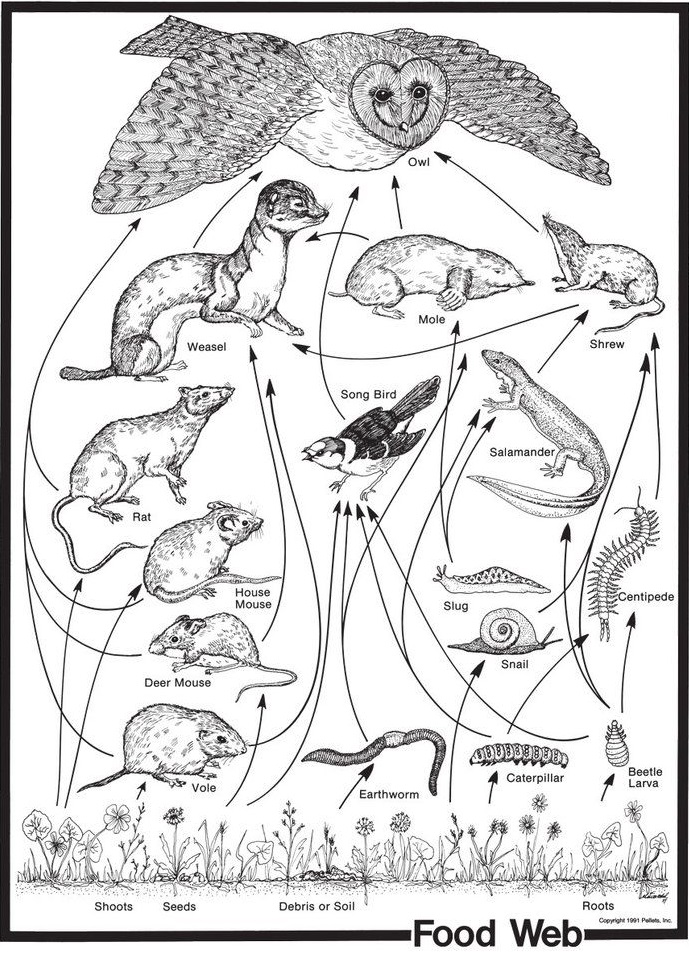
Here’s the breakdown on native plants as the basis of the food web. Those natives have leaves and flowers and fruits that feed the native insect larvae (think holes left in the leaves from caterpillars) which native birds, animals & other invertebrates eat, digesting leaves to feed soils and primary consumer animals ALL THE WAY UP to secondary predators who eat the small birds & animals sustained by the original native plants. The native plants come first, producing food through the energy of the sun in photosynthesis, and the energy transfers throughout the FOOD WEB.
An indigenous (not imported) plant or animal species that occurred in an area before European settlement. A native species is a wild species that occurs naturally in a given region.
Here is a big problem: most landscape plant materials offered at local nurseries and big box stores are NOT NATIVE. They are mainly Asian species that are not food sources for native pollinators, local birds, or insects like moths, butterflies and bees. Native animal species have to have native plants to complete their life cycles successfully. We will introduce you to resources, organizations and people who can help you find the INFORMATION & PRODUCTS you need. Look for your local nurseries that specialize in native trees shrubs and forbs near you. Growing native plants is a specialty that is growing among commercial growers, but mainly small nurseries are working hard growing trees from seed and selling healthy true native plants they have cultivated. Support your local native growers!
We are here to help, USE THE RESOURCES here to LEARN how rewarding it is to make your landscape a welcoming place for all things living. And we urge you to contact us with your questions--especially about incorporating seeds, specifically native seeds and seed mixes into your landscape. Our seed is the best commercially produced native seed available. It is laboratory tested for purity and germination and held to the highest seed industry standards. We can help you with any seed project large or small. That’s what we do.
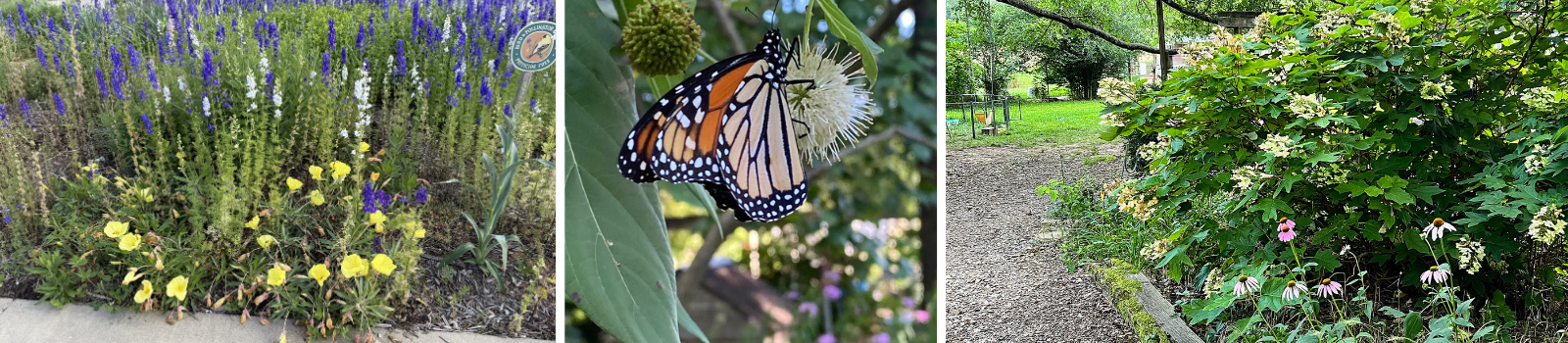
Let’s acknowledge that all landscapes are a part of the healing process in both urban and suburban areas as well as rural lands. All have suffered a great loss of bird and insect populations caused by too many lawns, too much chemical use, and mowing. There are 44 million acres of lawn in the lower 48 states. That’s a lot of mowing, irrigation, and chemicals to keep all that non-native grass short and green.
Consider these problems to be opportunities. By reducing lawn size and blending native trees and shrubs, along with wildflowers and native grasses, with your landscape, you will enable a steady return of birds and other natural life to your little piece of the earth. It’s the mindset that we can help the ecological environment one piece of land at a time. Many such landscapes, added together, can have a significant positive effect even in urban environments.
Whether it is for a green rooftop, a small courtyard, a city lot in the suburbs, or a patio planting, the solution is to heal the land with native plants and trees, with less input from mowers and chemicals, so insect larvae can feed our birds, and the native plants can feed and give them homes. This encourages native bees, moths and butterflies to return to our landscapes. Re-Wilding our landscapes creates diverse spaces for our other-than-human co-habitants, one residence at a time.
of lawn in the United States alone
Transform turf into habitat
Reducing lawn area and replacing it with native plantings is one of the most impactful changes homeowners can make for biodiversity.
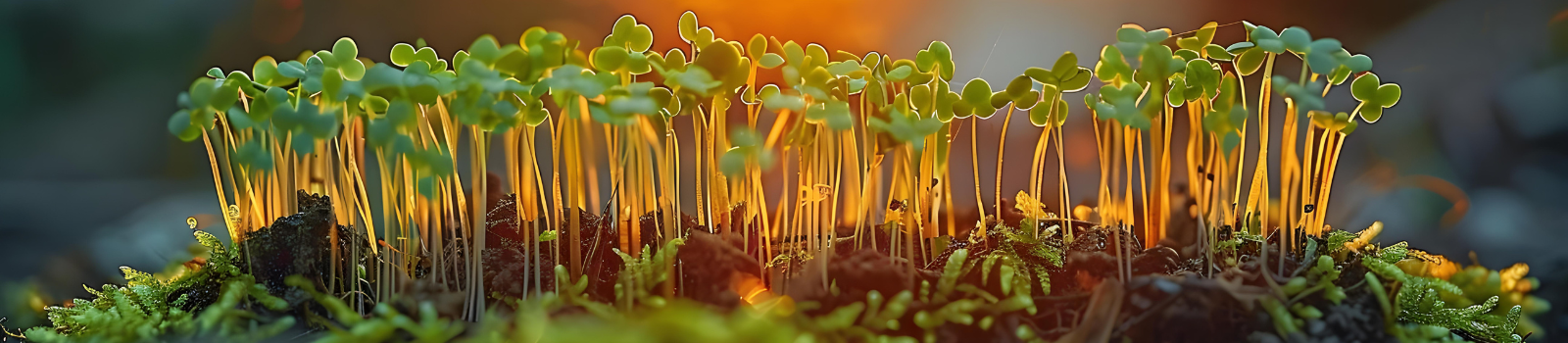
Urban and suburban landscapes represent an enormous opportunity for habitat restoration. Every yard, every street median, every corporate campus can become a refuge for native species.
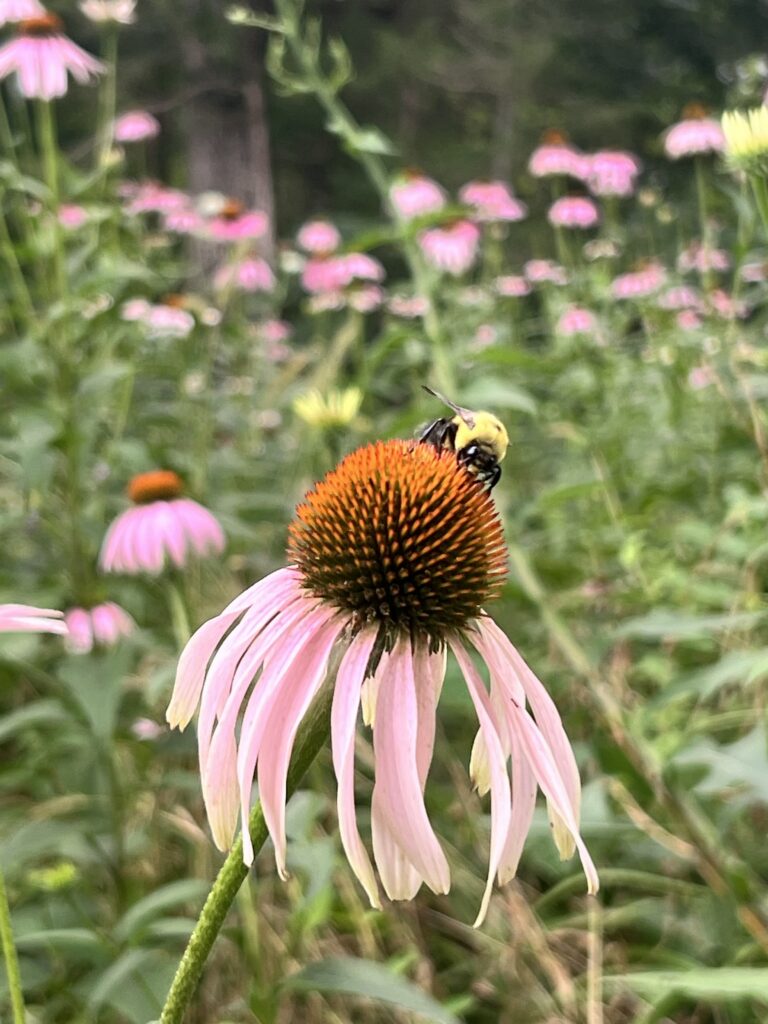
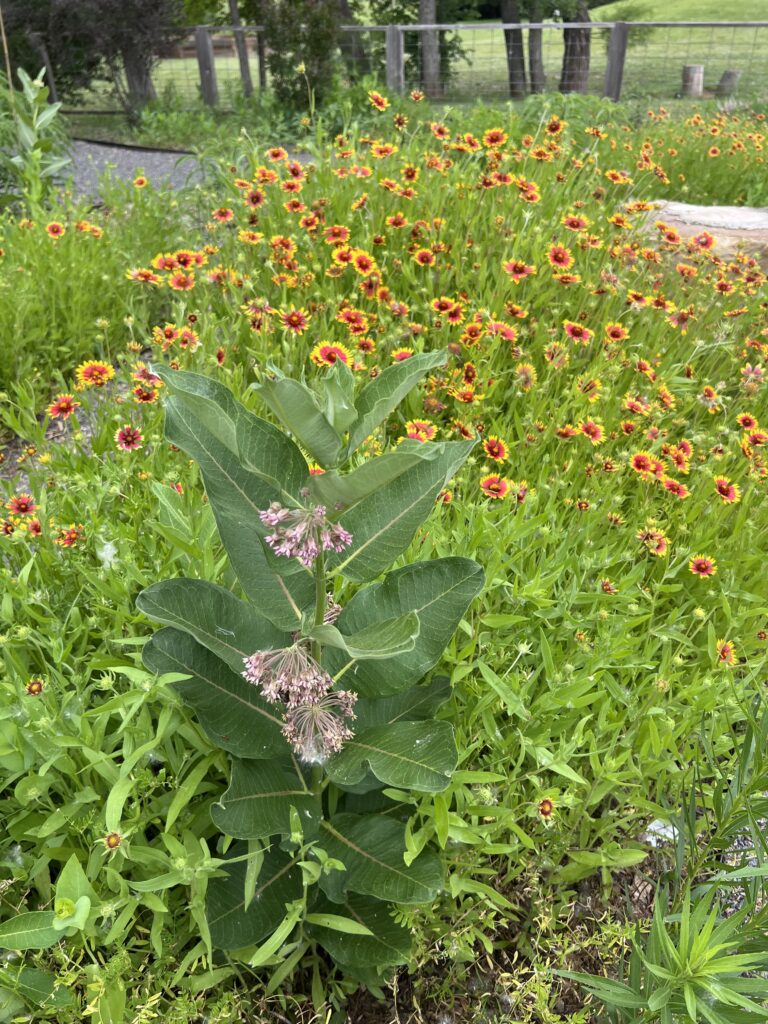
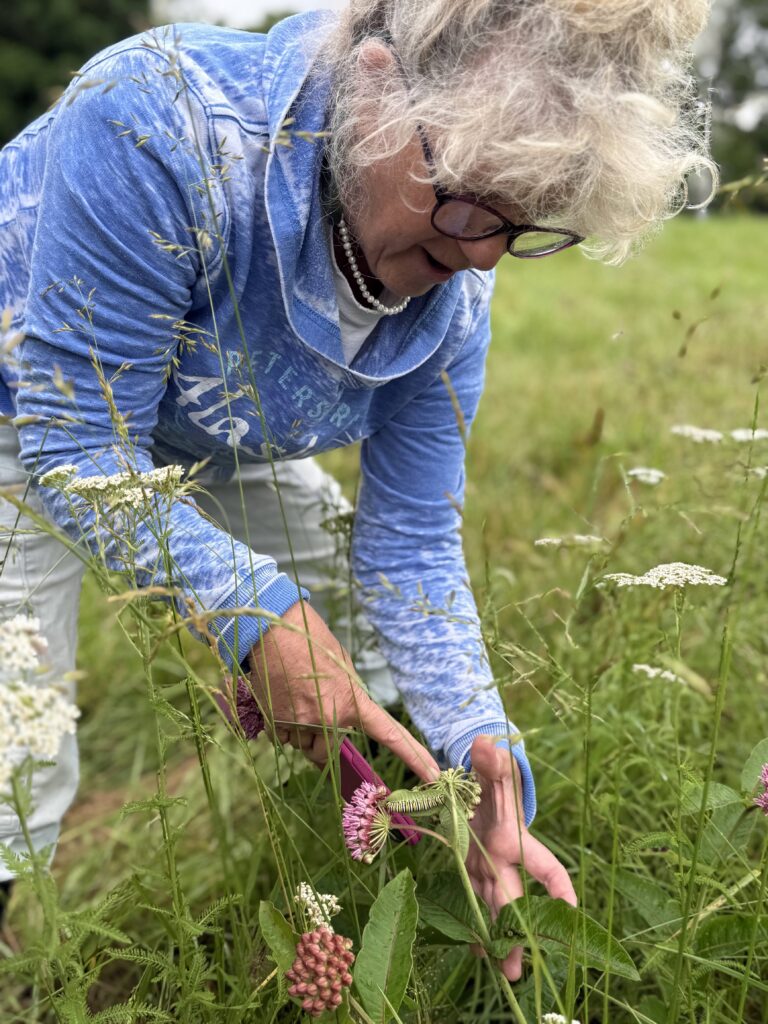
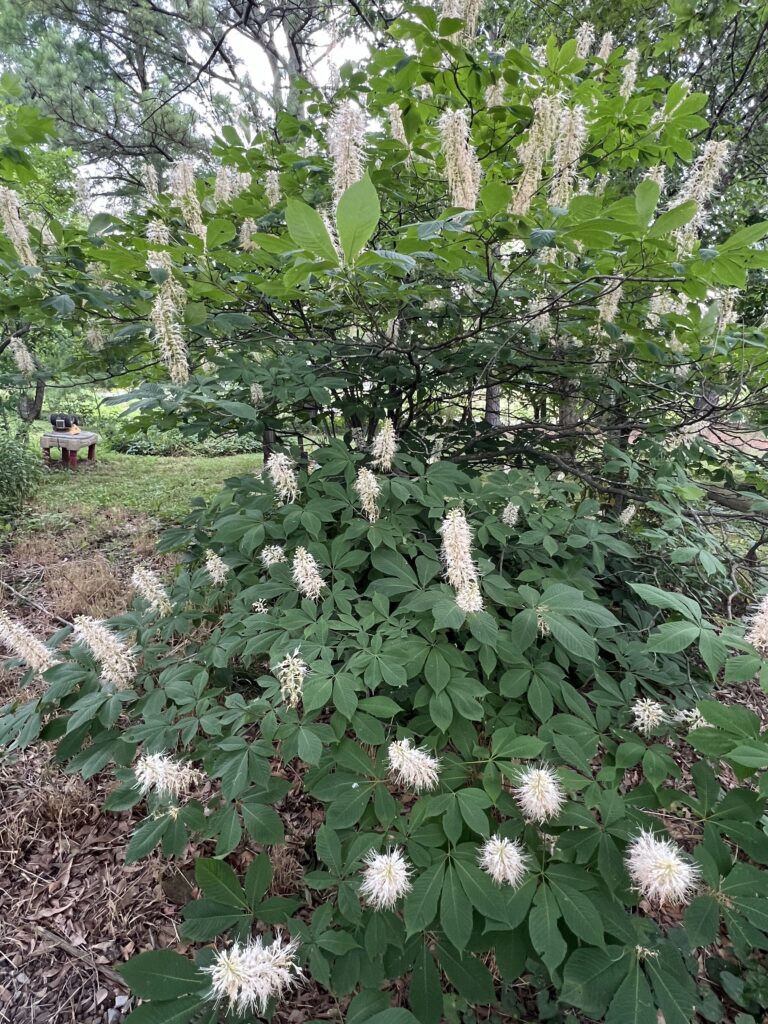
We have opportunities to make a BIG DIFFERENCE just by choosing *native species*, starting with trees and shrubs, and making informal or formal beds and borders with flowers and grasses. Minimize lawn areas by making small lawns and line them with beds that can hold hosts of native plants suitable for sustaining birds, butterflies, moths, and so many other insects and animals that are part of the natural ecosystem where you live.
Whether planning a new landscape or revisiting one that needs transitioning, work with your existing conditions and become educated with what options you have. Remove the features you don’t want and create new spaces for the right native plants to thrive there. You benefit by simplifying maintenance of your landscape with less input time, water, chemicals, fuel–and at the same time, improving habitats for wildlife and humans alike. A place to start is to cover an area of your mown lawn with leaves over the winter to feed the soil, kill the grass, and allow you to have a space to sow native seeds!!
FACT: BIODIVERSITY IN ECOSYSTEMS IS CRITICAL FOR SURVIVAL OF ALL SPECIES, INCLUDING HUMANS. We are just the last to feel the impact, and that will be when it is too late for many of the species now being affected. In 2024, a World Wildlife Fund report showed a 73% decline in wildlife species since the1970s and the loss of 3 billion birds.
Limit grass lawn space to useful areas that can be bordered by perennial natives, trees, shrubs and native grasses. Sod is expensive!
Buy trees and shrubs in 1, 3, or 5 gal containers so they transplant with less shock and are so much cheaper than ball & burlap.
Use seeds in your planting areas under trees, along fences, drives and pathways. Sow seed mixes to cover areas with flowers instead of grass to mow, water and fertilize.
Making adjustment to traditional landscapes can heal the earth and SAVE MONEY, SAVE TIME, SAVE BIRDS, BEES, BUTTERFLIES, BRING BEAUTY, RESTORE SOILS, FEED TREES.. and the list of benefits goes on.
There are many ways to EDUCATE yourself on how to transform your land to build eco-friendly habitats that are easy to MAINTAIN by planting native trees, shrubs, and creating spaces for native flowers and grasses that will survive and thrive all seasons and return for years to come. SO, DIG IN WITH OUR RESOURCE LISTED BELOW. Find the right solution for your landscape with the help of others who have experience to share.
Global wildlife populations have declined by 73% since 1970
Global wildlife populations have declined by 73% since 1970
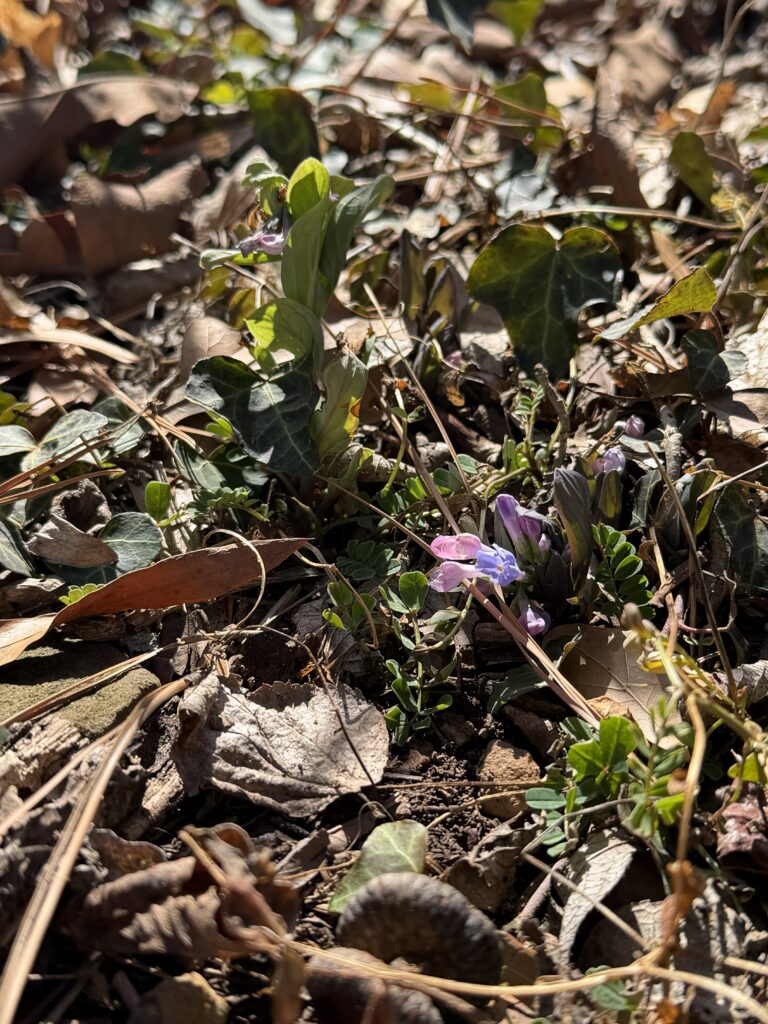
First, I want to introduce some experts that have some wonderful credentials and some excellent ideas on how to do this. Take a few minutes to listen to this 1A podcast, Caring for your backyard ecosystem, you will gain some valuable knowledge on why & how to rebuild wildlife habitats with *native* plants, using low-cost methodologies, and careful planning. Doug Tallamy, Neil Diboss author of The Gardener’s Guide to Prairie Plants, and Desiree Norango from the Vermont Center of Ecostudies are guests and they offer their own wisdom, experiences and resources in this wonderful discussion. Doug Tallamy is professor of Agricultural and Natural Resources at University of Delaware, entomologist, conservationist and author of some of the best books on how we can shift our view of landscaping for biodiversity. Doug is a co-founder of Homegrown National Park because of his passion for conservation. A personal favorite among Doug’s books is The Nature of Oaks, where he explores and explains the value of oaks as a keystone species in ecological systems. Homegrownnationalpark.org describes Doug’s work this way. “His research and books, including Bringing Nature Home and Nature’s Best Hope, have inspired millions to see their own yards as part of the solution to the biodiversity crisis. Driven by the belief that everyone can play a role, Doug co-founded Homegrown National Park to encourage people to plant natives in the spaces they care for. His vision is simple: when we all take part, we create the connected habitats that life depends on.”
Getting involved with conservation and gardening groups can blow up your world with great ideas and methods to be successful adding native plants and creating biodiversity in your own spaces.
The Meadow Project with Catherine Zimmerman, themeadowproject.com and Urban and Suburban Meadows, Bringing Meadowscaping to Big and Small Spaces
Bee City USA, connecting communities and pollinators
Ladybug Earthcare with Kendra Hoffman on ecological landscaping with native plants and perma-culture design. She and her team offer some great resources. Don’t forget to sign up for her fantastic FREE earth care newsletter.
Xerces Society where their mission is to protect wildlife through the conservation of invertebrates (think insects and there are thousands of them)—which are essential to ecosystems. A donor-supported, science-based nonprofit dedicated to protecting the natural world through the conservation of invertebrates and their habitats. Founded in 1971, it focuses on protecting endangered species, restoring pollinator habitats, and reducing pesticide use across North America.
Wild Ones promotes native landscapes through education, advocacy, and collaborative action. Get involved in your local chapter! Ozark Wild Ones is for our region but they are all over the US.
Robin Kimmerer, author of Braiding Sweetgrass, Serviceberry, and founder of PLANT BABY PLANT.
Nature Conservancy, Monarch Watch, National Wildlife Federation, The Audubon Society, and local native plant societies are great resources for initiatives and ways to be involved in community science and conservation programs.
Northwest Arkansas has some excellent native nurseries including White River Nursery, and Pine Ridge Gardens
For all your Wildflower and Native Seeds we are your source!
An indigenous animal or plant species occurring originally before human settlers, so not imported by man. A NATIVE species is a wild species that occurs naturally in a given region. for example the Pacific Northwest or the Ozark Mountains are broad regions of North America, or it could mean your local county or watershed land.
Holland Wildflower Farm began in 1986 when we put our botanical and wildlife research backgrounds to practice at our first home.
info@hollandwildflowerfarm.com
479-283-6709
290 Oneal Ln Elkins, AR 72727