

A News Roundup About Glyphosate Herbicide
Rich Wildflower Meadow
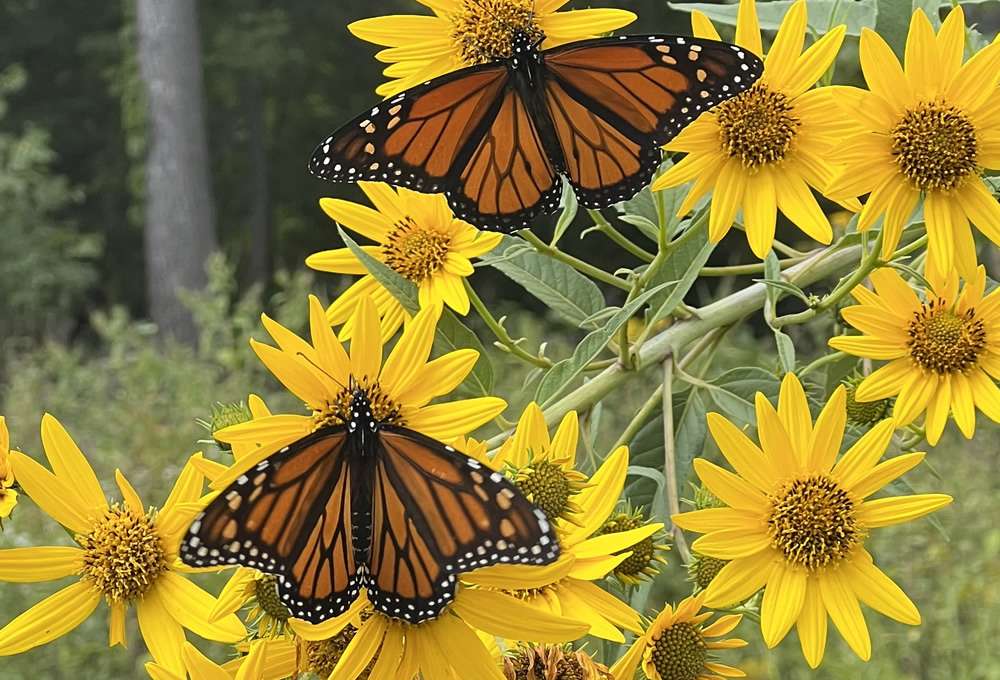
There is a lovely wetland wildflower meadow along a backstreet in our small Ozark town. The road cuts away from the main highway and skirts the edge of town along the base of a mountainside where the slope begins to flatten to form the White River Valley. Water seeps from underground and forms moist, rich meadows of an acre or more. Because I like to spot wildflowers in the wetland meadow I get off the highway to take this backstreet, away from the traffic, to ease home quietly, enjoying whatever nature presents itself in the ten minutes or so it takes to get through town. This wildflower meadow is one of the regular highlights. This time of year—September—the meadow is resplendent with moisture-loving wildflowers: swamp milkweed, beggarticks, great blue lobelia, boneset and the like. Interestingly, it is not dominated–as the other fields are–with nonnative species like tall fescue or Johnson grass or the rampant hairy buttercup (a sure sign of overgrazing). Unlike those other fields, this one is a bustling metropolis populated with pollinators of all kinds: butterflies, bees, wasps, beetles, flies, and hummingbirds. Paying a visit to this wildflower meadow in early fall is to witness the migration of monarch butterflies on their way to Central Mexico. We spot at least three on this visit. Perhaps these individuals were reared right here in this meadow, chewing the swamp milkweed leaves for both sustenance and for the protective poison—the cardiac glycosides (steroids) contained in the white sap of the milkweed leaves. Or did these monarchs fly, float, and sail down from some meadow in Minnesota or Manitoba and we are just a refueling station here on their way to Mexico? Sort of a monarch Exxon station. [/et_pb_text][et_pb_image src="https://demo1.plutopixels.com/wp-content/uploads/2021/12/monaarch-adult750x1000.jpg" alt="monaarch adult750x1000" title_text="monaarch adult750x1000" align="center" _builder_version="4.16" _module_preset="default" width="50%" width_tablet="75%" width_phone="75%" width_last_edited="on|phone" hover_enabled="0" global_colors_info="{}" sticky_enabled="0"][/et_pb_image][et_pb_image src="https://demo1.plutopixels.com/wp-content/uploads/2021/12/monarch-caterpillar665x1000.jpg" alt="monarch caterpillar" title_text="monarch caterpillar" align="center" _builder_version="4.16" _module_preset="default" width="50%" width_tablet="75%" width_phone="75%" width_last_edited="on|phone" global_colors_info="{}"][/et_pb_image][et_pb_text _builder_version="4.16" _module_preset="default" text_font="Rubik||||||||" text_orientation="justified" global_colors_info="{}"] Whoever owns this meadow has allowed it to grow up to its full potential of beauty and service to the pollinators, instead of grazing it heavily like many of the surrounding pastures in this valley. Of course, the value of a mature wildflower meadow goes far beyond that. For with pollinators come the birds that feed their young on those insects. And all these pollinated plants are producing wildflower and grass seeds which will sustain young birds for their own migration south as well as those who overwinter here. With so much of this countryside covered either in forest, tall fescue pasture–or asphalt–this wildflower meadow is an ecological paradise to the critters that find and utilize it. And let’s not forget the insects, mollusks, dragonflies, reptiles, amphibians, and mammals common to any wetland habitat, including the pond that it all empties into across the road. [/et_pb_text][et_pb_image src="https://demo1.plutopixels.com/wp-content/uploads/2021/12/wild-ageratum-and-bumble-bee750x1000.webp" alt="wild-ageratum-and-bumble-bee750x1000" title_text="wild-ageratum-and-bumble-bee750x1000" align="center" _builder_version="4.16" _module_preset="default" width="50%" width_tablet="75%" width_phone="75%" width_last_edited="on|phone" global_colors_info="{}"][/et_pb_image][et_pb_text _builder_version="4.17.6" _module_preset="default" text_font="Rubik||||||||" text_orientation="justified" global_colors_info="{}"] It all starts with the plants and how the land is managed. Start your own natural refueling station–learn how to plant a meadow here. Visit our seed shop here. [/et_pb_text][/et_pb_column][/et_pb_row][/et_pb_section]
National Pollinator Week!
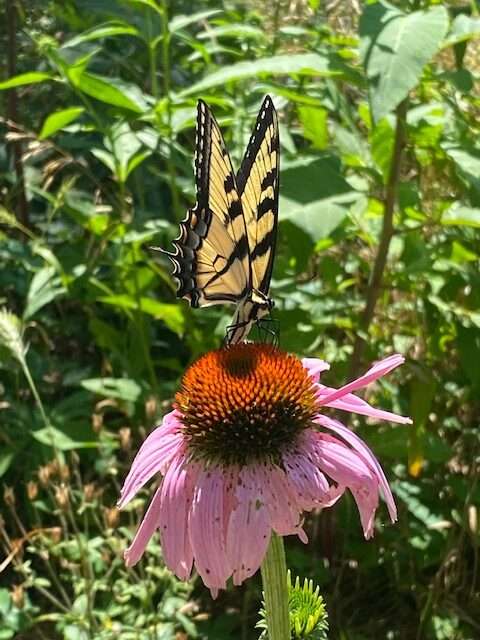
This is National Pollinator Week, an annual celebration in support of pollinator health, initiated and managed by Pollinator Partnership. Check it out in this link: https://pollinator.org/pollinator-week
How to Consider Gardening as Exercise

[fusion_builder_container type=”flex” hundred_percent=”no” equal_height_columns=”no” menu_anchor=”” hide_on_mobile=”small-visibility,medium-visibility,large-visibility” class=”” id=”” background_color=”” background_image=”” background_position=”center center” background_repeat=”no-repeat” fade=”no” background_parallax=”none” parallax_speed=”0.3″ video_mp4=”” video_webm=”” video_ogv=”” video_url=”” video_aspect_ratio=”16:9″ video_loop=”yes” video_mute=”yes” overlay_color=”” video_preview_image=”” border_color=”” border_style=”solid” padding_top=”” padding_bottom=”” padding_left=”” padding_right=””][fusion_builder_row][fusion_builder_column type=”1_1″ layout=”1_1″ background_position=”left top” background_color=”” border_color=”” border_style=”solid” border_position=”all” spacing=”yes” background_image=”” background_repeat=”no-repeat” padding_top=”” padding_right=”” padding_bottom=”” padding_left=”” margin_top=”0px” margin_bottom=”0px” class=”” id=”” animation_type=”” animation_speed=”0.3″ animation_direction=”left” hide_on_mobile=”small-visibility,medium-visibility,large-visibility” center_content=”no” last=”true” min_height=”” hover_type=”none” link=”” border_sizes_top=”” border_sizes_bottom=”” border_sizes_left=”” border_sizes_right=”” first=”true”][fusion_text columns=”” column_min_width=”” column_spacing=”” rule_style=”” rule_size=”” rule_color=”” hue=”” saturation=”” lightness=”” alpha=”” user_select=”” content_alignment_medium=”” content_alignment_small=”” content_alignment=”” hide_on_mobile=”small-visibility,medium-visibility,large-visibility” sticky_display=”normal,sticky” class=”” id=”” margin_top=”” margin_right=”” margin_bottom=”” margin_left=”” fusion_font_family_text_font=”” fusion_font_variant_text_font=”” font_size=”” line_height=”” letter_spacing=”” text_transform=”” text_color=”” animation_type=”” animation_direction=”left” animation_color=”” animation_speed=”0.3″ animation_delay=”0″ animation_offset=”” logics=””] When you think about it, it’s not that hard to see the similarities between exercising and gardening. They both support your mental and physical well-being and they both positively affect your mood. Raking, mowing, and trimming are just 3 activities that can improve your physical fitness while gardening. Here are more gardening tips and benefits that will support your mind and body. [/fusion_text][/fusion_builder_column][/fusion_builder_row][/fusion_builder_container][fusion_builder_container type=”flex” hundred_percent=”no” equal_height_columns=”no” menu_anchor=”” hide_on_mobile=”small-visibility,medium-visibility,large-visibility” class=”” id=”” background_color=”” background_image=”” background_position=”center center” background_repeat=”no-repeat” fade=”no” background_parallax=”none” parallax_speed=”0.3″ video_mp4=”” video_webm=”” video_ogv=”” video_url=”” video_aspect_ratio=”16:9″ video_loop=”yes” video_mute=”yes” overlay_color=”” video_preview_image=”” border_color=”” border_style=”solid” padding_top=”” padding_bottom=”” padding_left=”” padding_right=””][fusion_builder_row][fusion_builder_column type=”1_1″ layout=”1_1″ background_position=”left top” background_color=”” border_color=”” border_style=”solid” border_position=”all” spacing=”yes” background_image=”” background_repeat=”no-repeat” padding_top=”” padding_right=”” padding_bottom=”” padding_left=”” margin_top=”0px” margin_bottom=”0px” class=”” id=”” animation_type=”” animation_speed=”0.3″ animation_direction=”left” hide_on_mobile=”small-visibility,medium-visibility,large-visibility” center_content=”no” last=”true” min_height=”” hover_type=”none” link=”” border_sizes_top=”” border_sizes_bottom=”” border_sizes_left=”” border_sizes_right=”” first=”true”][fusion_text columns=”” column_min_width=”” column_spacing=”” rule_style=”” rule_size=”” rule_color=”” hue=”” saturation=”” lightness=”” alpha=”” user_select=”” content_alignment_medium=”” content_alignment_small=”” content_alignment=”” hide_on_mobile=”small-visibility,medium-visibility,large-visibility” sticky_display=”normal,sticky” class=”” id=”” margin_top=”” margin_right=”” margin_bottom=”” margin_left=”” fusion_font_family_text_font=”” fusion_font_variant_text_font=”” font_size=”” line_height=”” letter_spacing=”” text_transform=”” text_color=”” animation_type=”” animation_direction=”left” animation_color=”” animation_speed=”0.3″ animation_delay=”0″ animation_offset=”” logics=””] 1. Helps Improve Your Diet Having a garden means you are in control of how and when you harvest your food. Growing your own food can seem intimidating but it’s very simple. You decide on what fertilizers to use and what pesticides may come in contact with your food. By gardening, you create a more diverse and healthy diet for yourself. Food in its freshest form is packed with vitamins, minerals, and antioxidants. Start small and plant foods that you would want to eat. Fruits and vegetables such as strawberries, raspberries, lettuce, and carrots are just a few of the easiest produce that you can grow at home. 2. Improve Your Mental Health Not only is it stretching your muscles, but gardening also promotes better mental health. Being able to connect with nature through a garden is a great way to enhance your well being, while boosting your energy. When completing each gardening task, you can take time for yourself and focus on being present. As a form of therapy, gardening has been shown to decrease feelings of anxiety, stress, and depression. 3. Supports a Healthy Immune System Gardening just might be the answer to your sniffles and coughs this pollen and flu season. Research shows that beneficial bacteria in the soil may help strengthen your immune system. Coneflowers, elderberries, aloe vera, and garlic are all great plants to have in your garden to help support a healthy immune system. Being out in nature gives you a chance to soak up a lot of sunshine and get vitamin D, which is essential for our overall health. 4. Promotes Better Brain Health While your plants are growing, your mindset is also growing. Being in a garden promotes the ability to constantly learn. Studies have shown that being productive in the garden can help stimulate your brain and lower the occurrence of dementia. Helpful Gardening Tips Now that you’ve learned some of the benefits of gardening, here are a few helpful tips once you get the job started. Be safe with any physical activity you do and that includes gardening. Use the proper form to help prevent any pain or injuries from occurring. While gardening you should wear gloves, proper workout clothing and sunscreen and make sure to clean your tools regularly. Alternate between gardening activities to avoid exhaustion. Create a gardening routine. For example, start with some stretches and finish off watering your plants to cool down. Stretch and wash your hands after gardening to keep yourself safe from illness or injury The photo above is by Leigh Skomal on Unsplash. To find out more benefits to gardening as well as tips for gardening your day to better health, check out the infographic below. Attribution for the graphic. [/fusion_text][/fusion_builder_column][/fusion_builder_row][/fusion_builder_container]
Business Plans in the Natural World
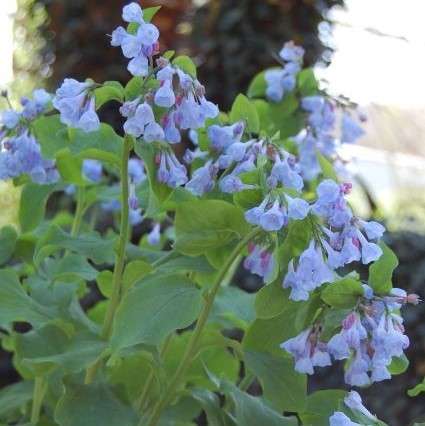
[et_pb_section fb_built=”1″ _builder_version=”4.14.8″ _module_preset=”default” hover_enabled=”0″ global_colors_info=”{}” sticky_enabled=”0″][et_pb_row _builder_version=”4.14.8″ _module_preset=”default” hover_enabled=”0″ global_colors_info=”{}” width=”100%” sticky_enabled=”0″][et_pb_column type=”4_4″ _builder_version=”4.10.8″ _module_preset=”default” global_colors_info=”{}”][et_pb_text _builder_version=”4.14.8″ _module_preset=”default” text_font=”Rubik||||||||” text_orientation=”justified” global_colors_info=”{}”] Every species of wildflower or native grass has a strategy for making a living: for dispersing seeds or for sprouting from dormant roots. For capturing maximum sunlight to fund plant growth and flower production, for pollination, for pest avoidance, and for a myriad of other life issues they must address. In fact, humans and every other life form on earth must deal with similar issues. We must all–as a species and as individuals—have a way to deal with the threats and opportunities we are presented with. Think of it as a “business plan”. [/et_pb_text][/et_pb_column][/et_pb_row][et_pb_row column_structure=”1_2,1_2″ _builder_version=”4.14.8″ _module_preset=”default” hover_enabled=”0″ global_colors_info=”{}” width=”100%” sticky_enabled=”0″][et_pb_column type=”1_2″ _builder_version=”4.10.8″ _module_preset=”default” global_colors_info=”{}”][et_pb_text _builder_version=”4.14.8″ _module_preset=”default” text_font=”Rubik||||||||” text_orientation=”justified” global_colors_info=”{}”] For instance, vines do not invest in thick, woody trunks to compete with trees for sunlight. They just climb up the thicker stems and trunks of trees and shrubs that have already made that investment, then spread their leaves over the other plant’s leaves to capture the needed sunlight. That is their “business plan” or strategy for competing for limited sunlight. Or think of bird species that avoid the harsh realities of a North American winter by migrating to milder climes in the tropics of Central and South American. They are like human “snowbirds” who can afford multiple homes to live where the weather is always pleasant. Avoidance is a common theme in the business plans of many organisms. [/et_pb_text][/et_pb_column][et_pb_column type="1_2" _builder_version="4.10.8" _module_preset="default" global_colors_info="{}"][et_pb_image src="https://demo1.plutopixels.com/wp-content/uploads/2022/02/Woodland-wildflowers-March-750×1000-1.jpg" alt="spring ephemerals, trillium and bluebells, and woodland wildflowers" title_text="Woodland wildflowers, March 750×1000" align="center" _builder_version="4.14.8" _module_preset="default" max_width="80%" max_width_tablet="65%" max_width_phone="90%" max_width_last_edited="on|phone" global_colors_info="{}"][/et_pb_image][/et_pb_column][/et_pb_row][et_pb_row _builder_version="4.14.8" _module_preset="default" hover_enabled="0" global_colors_info="{}" width="100%" sticky_enabled="0"][et_pb_column type="4_4" _builder_version="4.10.8" _module_preset="default" global_colors_info="{}"][et_pb_text _builder_version="4.14.8" _module_preset="default" text_font="Rubik||||||||" text_orientation="justified" global_colors_info="{}"] One strategy that we see in woodland wildflowers is to avoid the stressful conditions of summer by simply going dormant. The photos show a stand of woodland wildflowers in one of our garden beds as they were in late March and again in late July. In the background are Virginia bluebells (Mertensia virginica) that have been blooming for two or three weeks already; in the foreground are Green trillium (Trillium viridescens). In a July photo of the same spot, the bluebells have completely disappeared and the trillium plants are yellow-brown and shriveled. This garden bed is well-drained, being at least three feet above the surrounding landscape, receives no supplemental irrigation, and is dominated by a thick cover of English ivy, a strong competitor. Even still, the bluebells and trillium have thrived in this bed for decades. As temperatures rise to stressful levels and water competition intensifies between neighboring forbs, shrubs, and trees, these spring ephemerals just check out—dying back above ground, with only minimal moisture needs for the below ground roots and crown. [/et_pb_text][/et_pb_column][/et_pb_row][et_pb_row column_structure="1_2,1_2" _builder_version="4.14.8" _module_preset="default" hover_enabled="0" global_colors_info="{}" width="100%" sticky_enabled="0"][et_pb_column type="1_2" _builder_version="4.10.8" _module_preset="default" global_colors_info="{}"][et_pb_image src="https://demo1.plutopixels.com/wp-content/uploads/2022/02/Woodland-wildflowers-July-750×1000-1.jpg" alt="summer dormancy of woodland wildflowers" title_text="Woodland wildflowers, July 750×1000" align="center" _builder_version="4.14.8" _module_preset="default" max_width="90%" max_width_tablet="65%" max_width_phone="90%" max_width_last_edited="on|phone" global_colors_info="{}"][/et_pb_image][/et_pb_column][et_pb_column type="1_2" _builder_version="4.10.8" _module_preset="default" global_colors_info="{}"][et_pb_text _builder_version="4.14.8" _module_preset="default" text_font="Rubik||||||||" text_orientation="justified" global_colors_info="{}"] The ecologist David George Haskell suggests still another important angle to this avoidance strategy in his delightful book, The Forest Unseen—A Year’s Watch in Nature (Penguin Books, 2012). Summer not only brings competition for water and nutrients, but for something even more basic: sunlight.Spring ephemerals, which appear for only brief periods, emerge often before the overstory trees and shrubs have fully leafed out. Sunlight penetrates to the forest floor for only a limited time in early spring before it is intercepted by the expanding leaves of taller vegetation. These woodland ephemerals, like bluebells and trillium, have a unique business plan: get your leaves out before the big guys do and capture that sunlight; produce your blooms; pollinate; set your seed; store energy to fund this year’s survival and next year’s new growth; and then die back and wait it out. [/et_pb_text][/et_pb_column][/et_pb_row][et_pb_row _builder_version=”4.14.8″ _module_preset=”default” hover_enabled=”0″ global_colors_info=”{}” width=”100%” sticky_enabled=”0″][et_pb_column type=”4_4″ _builder_version=”4.10.8″ _module_preset=”default” global_colors_info=”{}”][et_pb_text _builder_version=”4.14.8″ _module_preset=”default” text_font=”Rubik||||||||” text_orientation=”justified” global_colors_info=”{}”] But other wildflower species actually thrive in the hot, summer months, especially those that grow in open areas where they are not competing with an overstory of leaves for sunlight. Species like those in our Little Bit Shady Wildflower Seed Mix can thrive in either full sun or partial shade. Next time you become curious about why a plant or animal does what it does, think about it in the context of its larger “business plan”. [/et_pb_text][/et_pb_column][/et_pb_row][/et_pb_section]
Bob’s Bio
Erosion Control Blankets
Erosion Control Blankets and Seeding Wildflowers on Slopes If your seeding project includes an area of steep slopes, then you will need to consider how to hold your investment in place. A slight slope (less than 25 or 30%) can be stabilized with a light mulching of straw (such as wheat stubble) or other mulch material (such as pine needles or bark chips). A 25% slope means that there is a 2.5-foot change in elevation for every 10 feet in distance up or down the slope (or 3 inches of elevation change for every foot of distance). The Natural Resource Conservation Service (NRCS), a part of the USDA, recommends the use of erosion control measures*, such as erosion control blankets, for any slope of 33% to 50%. Anything steeper than that will need rock riprap or terracing with retaining walls. After seed germination, the roots of each new plant will interlock with one another below the surface, like laced fingers, to hold the soil in place. Above the ground, plant leaves and shoots will diffuse the direct impact of raindrops on the soil. But initially, steep slopes must be protected. Erosion control blankets, placed over recently seeded slopes, act to stabilize the soil to prevent seeds and soil from washing away and the cutting of erosion ruts into the hillside. Blankets prevent wind erosion and soil crusting and increase rainfall infiltration into the soil profile. Erosion control measures also protect any streams, rivers, and lakes downhill from your site—and the wildlife that live there–from clouded water and silted bottoms. Plant seedlings can emerge through spaces within the blankets, when then disintegrate over time and leave a natural-looking vegetated slope behind. What are they made of and where do you find them? Erosion control blankets (ECB’s) come in various lengths and widths, with various netting materials, and various mulching materials. Most common is a thin plastic netting (one or two ply) that photodegrades over 1-3 years with an inner mulch layer of straw, excelsior (aspen shavings), or coir (coconut fiber). Straw or excelsior are best and both allow light to get through to seeds and soil. This is important because wildflower seeds are very small and each species has specific germination requirements, often involving day length and soil temperature. The one-ply blankets containing straw tend to be the lowest price ($0.05-0.35 per square foot) depending on if the order includes shipping or not. Another good choice is excelsior batting. It is good since it also allows the light to the seeds and soil is one-ply containing excelsior (shredded aspen) and may be a little longer lasting than straw. The box store sources, like Lowe’s and Home Depot tend to be in the $0.15-0.17/sq ft range. When I was checking I found Home Depot had better prices than Lowes, but may depend on where you are… Other online sources include Forestry Suppliers, Gempler’s, Erosion Control Products, and A.M. Leonard Horticultural Tool and Supply. These suppliers may offer blankets in the $0.05-0.10/sq ft range, but this price is before the shipping cost is added in. A few notes about installing Erosion Control Blankets (ECB’s): – Install the ECB only after soil preparation and seeding are complete. – Remove all rocks or soil clods 1.5 inches or larger before installation. – Leave at least a foot of extra blanket at the top of the slope for anchoring: dig a 6-inch deep trench across the top of the slope (or as deep as you can, if rocky soil), heaping the soil uphill from the trench; lay the extra blanket into the bottom of the trench, folding half of the extra underneath itself (like your curled fingers), pointing down the slope; cover the trench and top of the ECB with the soil; anchor with stakes. This keeps heavy runoff water from flowing under the blanket and washing out soil and seeds. – The ECB should be anchored to the soil using metal wire staples or wooden stakes, driven through the blanket and remaining flush with the soil. Loose or sandy soil be a problem for anchoring the ECB – make sure the anchors are long enough to hold at the trench and seams. – If you require multiple blankets running parallel down the slope, overlap the blanket edges with a minimum of a 4-inch overlap and stake or staple the seams periodically to ensure that no gaps develop from wind or rain. –Check for any damage or displacement after a heavy rain. For more information check out this USDA informational PDF (click image to view):
Frost Flowers
About three years ago, my wife and I were taking a winter walk to the back of our property. It was a nice, sunny morning, but had frosted hard during the night and the air temperature was still below freezing. After crossing the creek we walked into a clearing between two tree-lined areas. We saw the strangest meadow of flowers we’d ever seen–the flowers were made of ice! Scores of them! We determined that each was coming from the broken stub of a woody stalk from a perennial plant that grew the previous season. We eventually learned that they were a perennial composite wildflower called Frostweed (Verbesina virginica). The next year we were able to establish them in our backyard. (I also learned not to allow the pretty white flowers to go to seed else all of my non-mowed areas will become a meadow of Frostweed). The stalks grow 5-7 feet tall and can attract butterflies and other insects. The Wildflowers of Arkansas book says that the leaves are eaten by deer. They grow along streams, roadsides, open slopes and valleys and bloom in late summer and fall. The really cool thing is that in late fall or on certain days of winter–when the ground is well-saturated and unfrozen, but the nights are cold–the bottom of the frostweed stems will still actively pump water from the perennial roots up through the base of the stem. Since the above ground portion of the stem is dead wood and usually has broken off, the water has nowhere to go but out. The water hits the cold air and immediately turns to ice. The water pressure inside the plant continues to push it out in gorgeous ribbons of ice called “ice flowers” or “frost flowers“. Each one is unique. The thin ribbons are adorned with minute striations or lines–like spun ice–when viewed up close, formed by ribs in the tissues at the base of the plant. By late morning they have all disappeared due to the warm sun. Their ephemeral beauty makes them all the more special. I’ve seen this nondescript plant for years without giving it any special thought or knowing its name. Now I notice it all along the roadsides and bordering riparian areas (wooded corridors along creeks and rivers). I’ve seen the pretty ice flowers along Hwy 16 as I drive to work.